Player Profiles
How Athletes Manage Fan Access And Correspondence
Professional athletes receive more contact than any individual can answer, and the systems that manage it shape what supporters experience as accessibility.
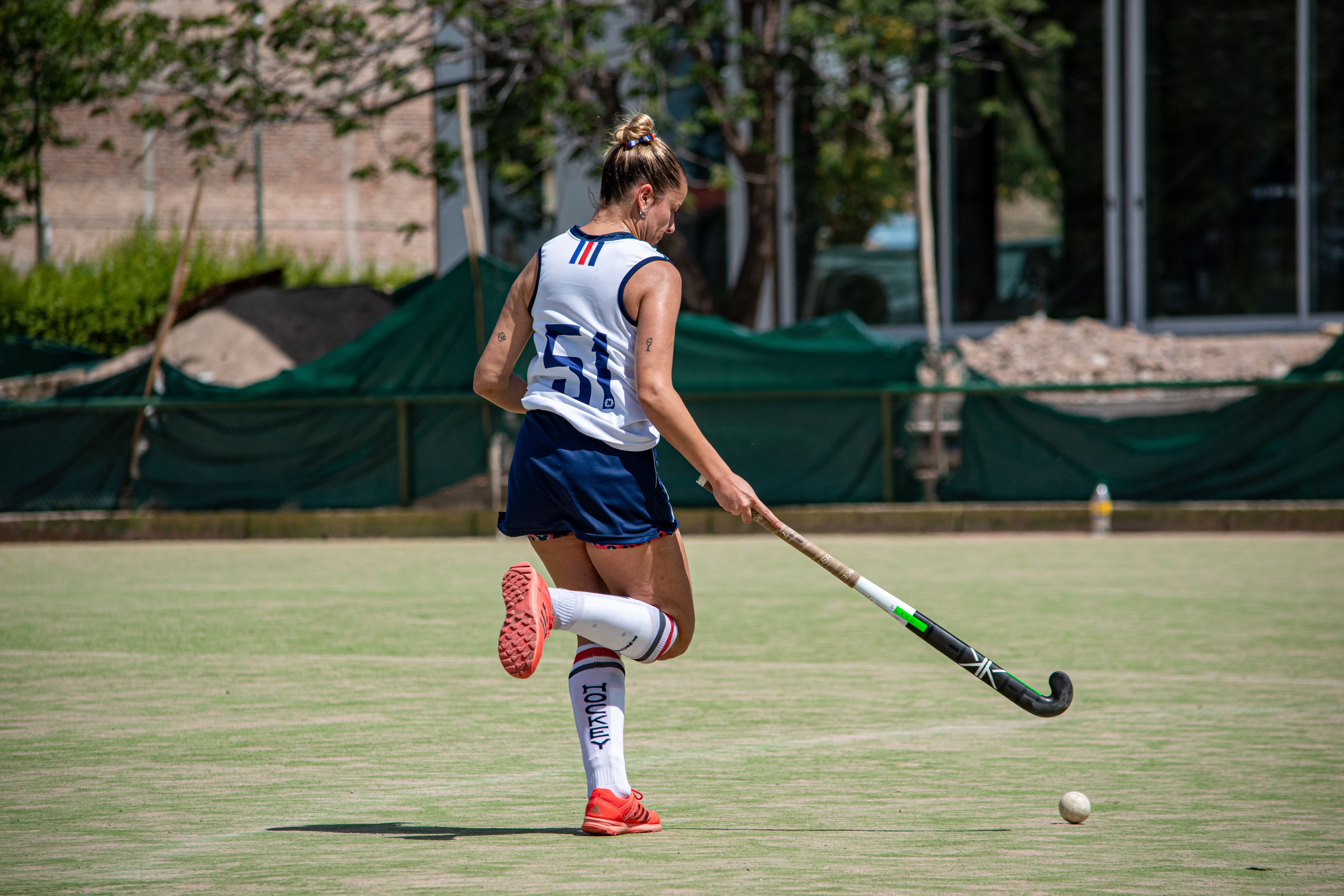
A recognisable athlete receives a volume of correspondence and requests that no individual can process. The arrangements built to handle it determine what access supporters actually get.
The volume problem is structural
Even a modest professional receives daily messages, autograph requests, charity approaches and commercial enquiries, and a prominent one receives orders of magnitude more.
Answering personally is impossible past a certain threshold, so every athlete above it is choosing which categories to handle rather than whether to handle everything.
The choice is usually made once and delegated, which is why access patterns tend to be consistent across a career rather than varying case by case.
Who actually handles it
Clubs run press and community departments that filter requests, and agents handle commercial approaches, so most correspondence never reaches the athlete at all.
Charitable requests are commonly routed to a foundation with published criteria, which allows a consistent answer and removes the burden of individual refusals.
Signed items are frequently produced in scheduled batches rather than on request, which is why a reply can arrive months after a letter was sent.
Structured access replaced the informal kind
Supporters once encountered players at training grounds, car parks and local shops, and that contact was unmediated because there was no mechanism to mediate it.
Security concerns, contractual obligations and the sheer number of people who now know where players train have largely closed those routes.
What replaced them are organised events, open training sessions and community appearances, which reach more people but on terms set by the club.
Direct communication changed the expectation
Athletes speaking directly to supporters online created an impression of availability that the underlying volume makes impossible to sustain.
A reply to one message is visible to everyone, so each response generates further contact, and the system becomes less answerable the more responsive it appears.
Many athletes therefore broadcast rather than converse, which supporters sometimes read as distance when it is the only stable equilibrium available.
Where genuine access still exists
Lower divisions and minority sports retain informal contact, because the volume remains manageable and clubs depend on personal relationships with their supporters.
Junior and academy football also preserves it, since players at that stage are not yet filtered and are often known personally within their local area.
That contrast is why supporters of smaller clubs frequently describe a connection that the largest clubs cannot reproduce at any level of investment.
Also by Brad Gilbert
- Deconstructing break point pressure: How to Optimize racket tension adjustment for SuccessCourt Coverage
- Deconstructing first serve speed: How to Optimize baseline rally endurance for SuccessCourt Coverage
- Deconstructing outsole traction: How to Optimize serving strategies for SuccessCourt Coverage
- Deconstructing reflex volleys: How to Optimize spin rate optimization for SuccessCourt Coverage


