Fast Lane
How Grand Prix Crowds Organise Around Grandstands
Motor racing spectators choose a location for a whole weekend rather than a seat facing a pitch, and that choice shapes what they see and who they sit with.
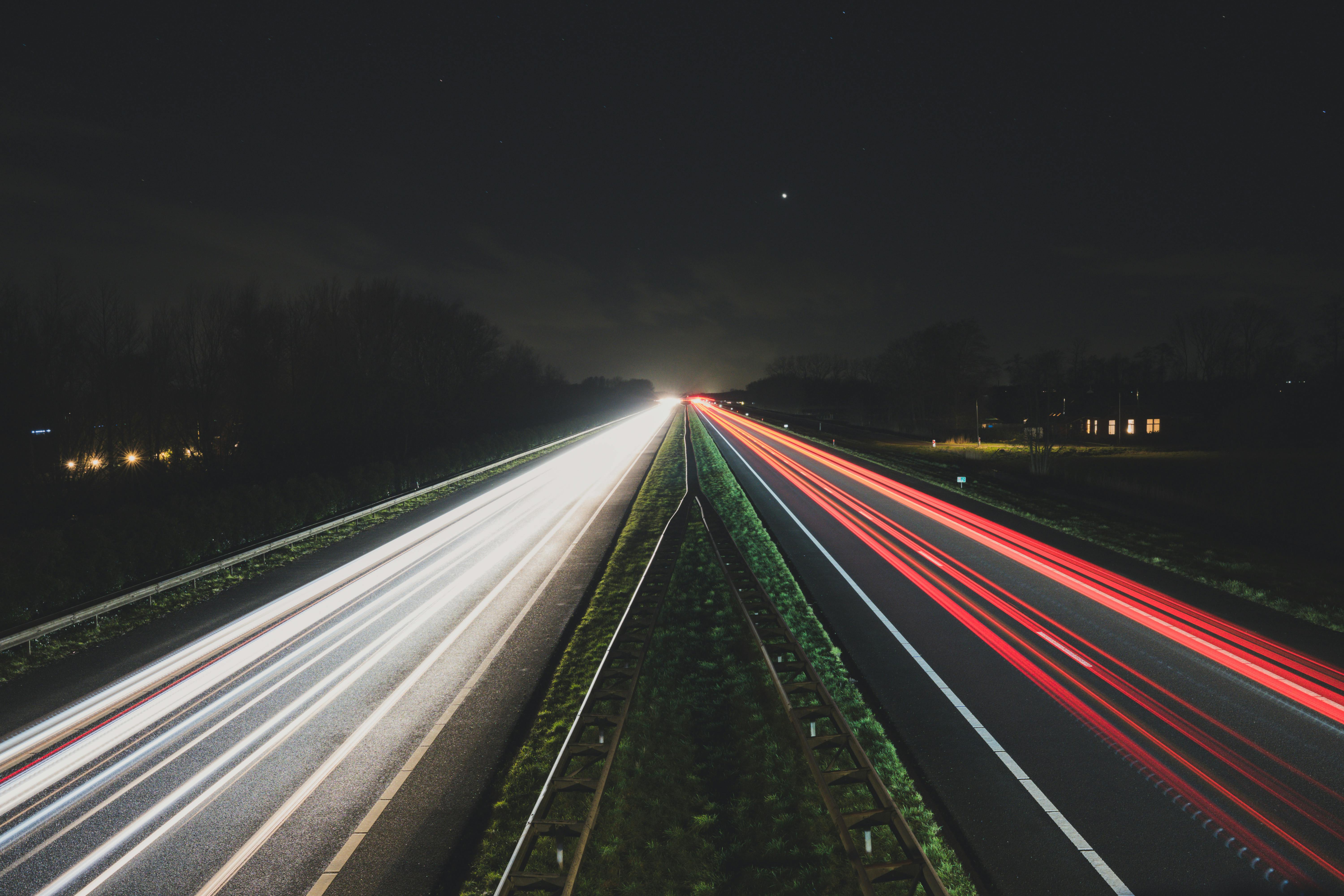
A racing circuit is several kilometres long, so no spectator can watch the whole event. Choosing where to sit is the defining decision of the weekend, and crowds organise around it.
Nobody sees the whole race
From any single position a spectator sees cars pass for a few seconds each lap, and the rest of the race must be followed on screens, radio or a timing app.
This makes the live experience unusual among sports, since the primary attraction is proximity to the machinery rather than a continuous view of the contest.
Circuits therefore install large screens and commentary feeds, effectively broadcasting the event to the people who have travelled to attend it in person.
Different vantage points offer different things
A grandstand at a heavy braking zone shows overtaking and driver error, while a fast corner shows the cars at their most impressive and produces almost no position changes.
Positions near the pit lane offer stops and strategy but limited track view, and start-finish seating guarantees the start, which is the single most eventful moment.
General admission areas on banking often provide the widest view of a circuit's sweep, which many long-standing attenders prefer to a numbered seat.
The choice repeats and forms communities
Regular attenders return to the same grandstand year after year, and the same faces occupy the same rows, which produces a familiarity comparable to a season ticket block.
Some stands develop reputations tied to a driver or nationality, and the crowd there becomes visibly partisan in a sport where the audience is otherwise dispersed.
National contingents cluster deliberately for this reason, and flags across a stand are a fair guide to which drivers that section came to support.
Three days rather than two hours
A race weekend includes practice and qualifying, and spectators who attend all of it develop a far more detailed sense of the event than the race alone provides.
Practice sessions are quieter and less crowded, which allows movement between vantage points to compare what different parts of the circuit offer.
Qualifying is often the better spectacle for a stationary spectator, since every car is on a maximum effort lap and the timing is easy to follow from a screen.
Access beyond the seating
Many circuits open the paddock area, pit lane walks and support paddocks to ticket holders at scheduled times, which is unusual in professional sport.
That access is a substantial part of the value proposition, and it is why weekend tickets are priced far above what a single race view would justify.
It also produces a knowledgeable crowd, since spectators who have walked a pit lane understand the operation they are watching in a way viewers do not.
Also by Brad Gilbert
- Deconstructing break point pressure: How to Optimize racket tension adjustment for SuccessCourt Coverage
- Deconstructing first serve speed: How to Optimize baseline rally endurance for SuccessCourt Coverage
- Deconstructing outsole traction: How to Optimize serving strategies for SuccessCourt Coverage
- Deconstructing reflex volleys: How to Optimize spin rate optimization for SuccessCourt Coverage


