Wimbledon
How Grass Court Crowd Etiquette Is Taught
Tennis crowds observe rules about silence, movement and applause that nobody is formally taught, and the transmission mechanism is imitation reinforced by umpires.
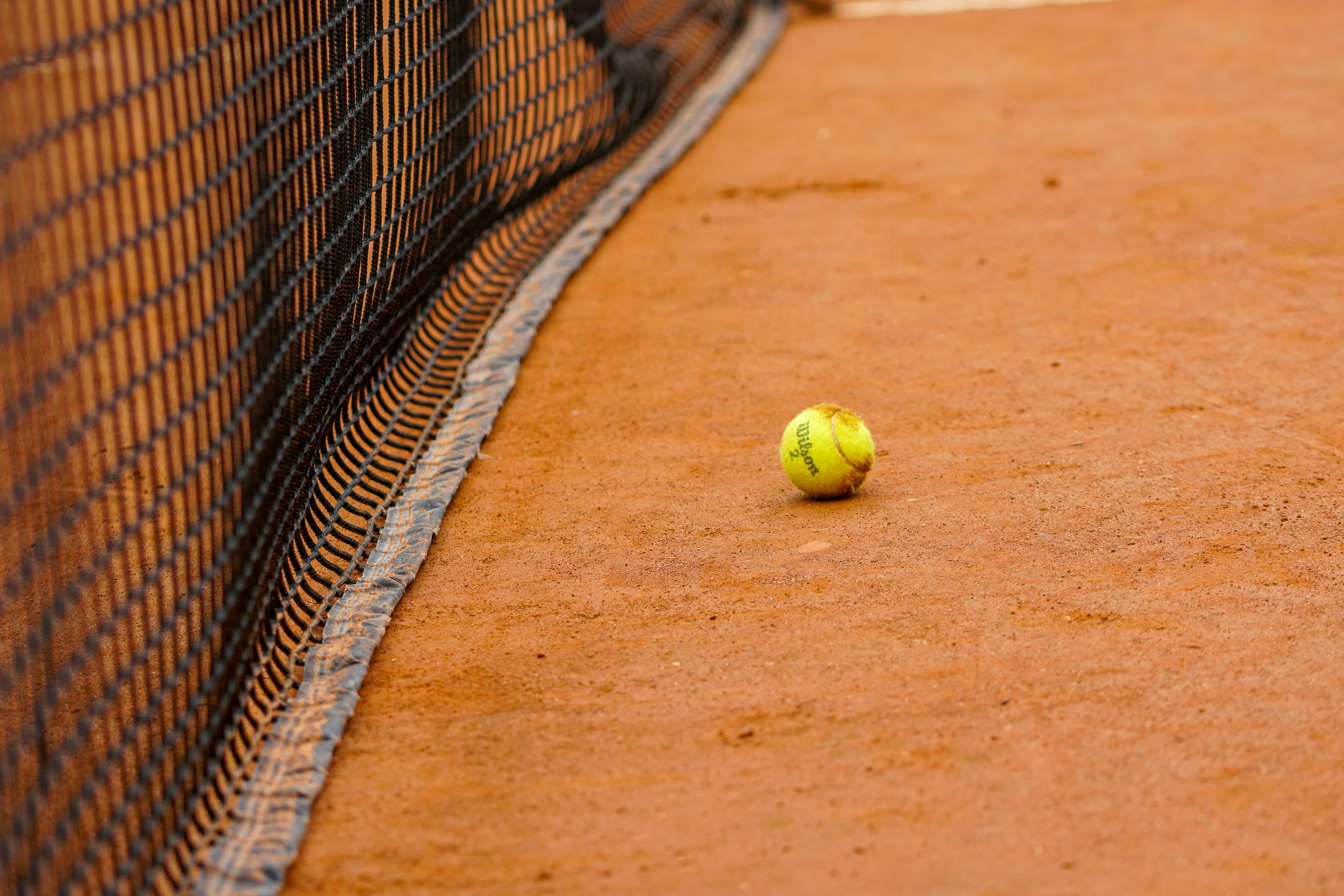
A tennis crowd falls silent between the toss and the end of a point, then applauds at precisely defined moments. Nobody hands out instructions, yet first-time spectators comply almost immediately.
Why the silence is functional rather than ceremonial
Players track the ball partly by sound, and the contact of string on ball carries information about spin and depth that opponents use in the fraction of a second before moving.
Movement in the background is equally disruptive, because a player picking up flight cues from a small ball benefits from a static field of view behind the opposite baseline.
The etiquette is therefore a response to the physical demands of the sport, which is why it is strictest at the moment of serve and relaxes between games.
The umpire as the visible enforcement
An umpire asking for quiet is doing something more than silencing one person. The request models the rule for everyone present who did not know it existed.
Because the intervention is public, polite and rare, it functions as instruction rather than punishment, and crowds generally comply for the remainder of the match.
Stewards controlling entry to seating between games perform the same role physically, teaching by structure that movement happens at changeovers and not during play.
How new spectators actually learn
The dominant mechanism is imitation. A newcomer surrounded by people who go quiet at a predictable moment adopts the behaviour within a few games without being told anything.
This works because the cue is unmistakable and repeated constantly, roughly once a minute for the whole match, giving an enormous number of learning opportunities.
Crowds with a high proportion of experienced spectators transmit the conventions faster, which is one reason etiquette holds more firmly at long-established tournaments.
Where the conventions genuinely differ
Applauding a double fault or an unforced error is considered poor form, while applauding a winner from either player is expected, and the distinction is about rewarding skill rather than misfortune.
Some tournaments encourage far more noise, with music between points and crowds that react continuously, and players adjust to the local convention as they travel.
These differences are not a hierarchy so much as separate settled equilibria, and the friction appears mainly when a player accustomed to one arrives at the other.
Why the etiquette is slowly loosening
Larger crowds contain a higher share of occasional attenders, and imitation weakens as the proportion of people who already know the conventions falls.
Tournaments have responded with clearer announcements and scoreboard prompts, effectively converting an informal transmission system into an explicit one as the audience broadens.
The underlying constraint has not changed, though, and the rules that survive are precisely those the players' perception actually requires.
Also by Brad Gilbert
- Deconstructing break point pressure: How to Optimize racket tension adjustment for SuccessCourt Coverage
- Deconstructing first serve speed: How to Optimize baseline rally endurance for SuccessCourt Coverage
- Deconstructing outsole traction: How to Optimize serving strategies for SuccessCourt Coverage
- Deconstructing reflex volleys: How to Optimize spin rate optimization for SuccessCourt Coverage


