Player Profiles
How Players Get Adopted By Foreign Fanbases
Athletes often acquire devoted followings in countries they have never played in, and the process depends on broadcast access, timing and a legible personal story.
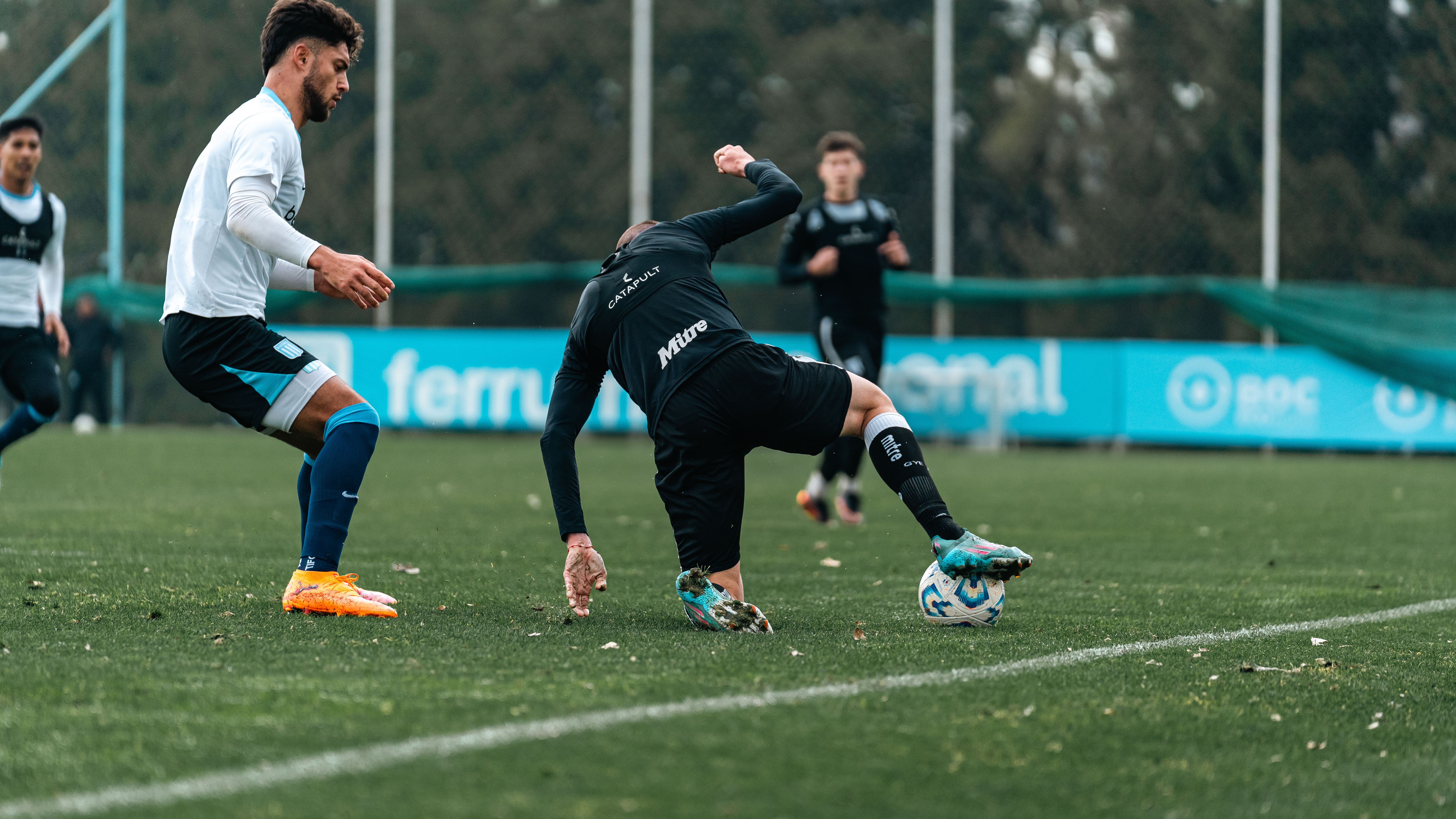
Some athletes attract large followings in countries with no connection to their club or nation. The pattern is consistent enough that the underlying mechanism can be described.
Broadcast access comes first
Adoption requires visibility, so it happens overwhelmingly in countries where the athlete's competition is broadcast at a watchable hour and in an accessible language.
Where a competition arrives in a market for the first time, the players visible in that first season acquire a disproportionate and durable following.
This is why an athlete's international profile often reflects broadcast history rather than achievement, and why contemporaries of similar ability can differ hugely in overseas recognition.
A legible story travels further than statistics
Audiences with no context for a league adopt players whose situation can be understood without it: a debutant, a comeback, an outsider succeeding among established names.
Such stories require no knowledge of tactics, rivalries or league history, which makes them the entry point for viewers encountering a sport for the first time.
Once attached, that audience acquires the surrounding context gradually, and the original player remains their reference point long after they know the rest.
Shared origin creates the strongest bonds
The most durable overseas followings form where an athlete shares nationality, language or background with a community abroad, which turns support into a form of representation.
These followings persist through poor form and transfers, because the attachment is not to the team but to the person and what their presence signifies.
They also travel, and it is common for a player to find a bloc of supporters from their own country at away fixtures on another continent.
What the athlete does or does not control
Direct communication in a second language, engagement with overseas supporters and appearances on foreign tours all reinforce an existing following considerably.
But the initial adoption is largely outside their control, since it depends on which market was watching and what else was happening when they emerged.
Attempting to manufacture it rarely works, and audiences are quick to distinguish between an athlete who acknowledges them and a marketing exercise aimed at them.
The commercial consequence
Overseas followings are valuable to clubs because they are additive rather than substitutive, expanding the audience rather than redistributing an existing one.
This is one reason signings are sometimes justified partly in commercial terms, though the effect is far smaller and less reliable than it is usually claimed to be.
The following also usually belongs to the player rather than the club, and it moves with them when they transfer, which limits what a club can capture from it.
Also by Brad Gilbert
- Deconstructing break point pressure: How to Optimize racket tension adjustment for SuccessCourt Coverage
- Deconstructing first serve speed: How to Optimize baseline rally endurance for SuccessCourt Coverage
- Deconstructing outsole traction: How to Optimize serving strategies for SuccessCourt Coverage
- Deconstructing reflex volleys: How to Optimize spin rate optimization for SuccessCourt Coverage


