ICC
Why Cricket's Global Calendar Needs Constant Negotiation
Bilateral tours, franchise leagues and global events all claim the same months, and cricket resolves the conflict by negotiation rather than by a fixed timetable.
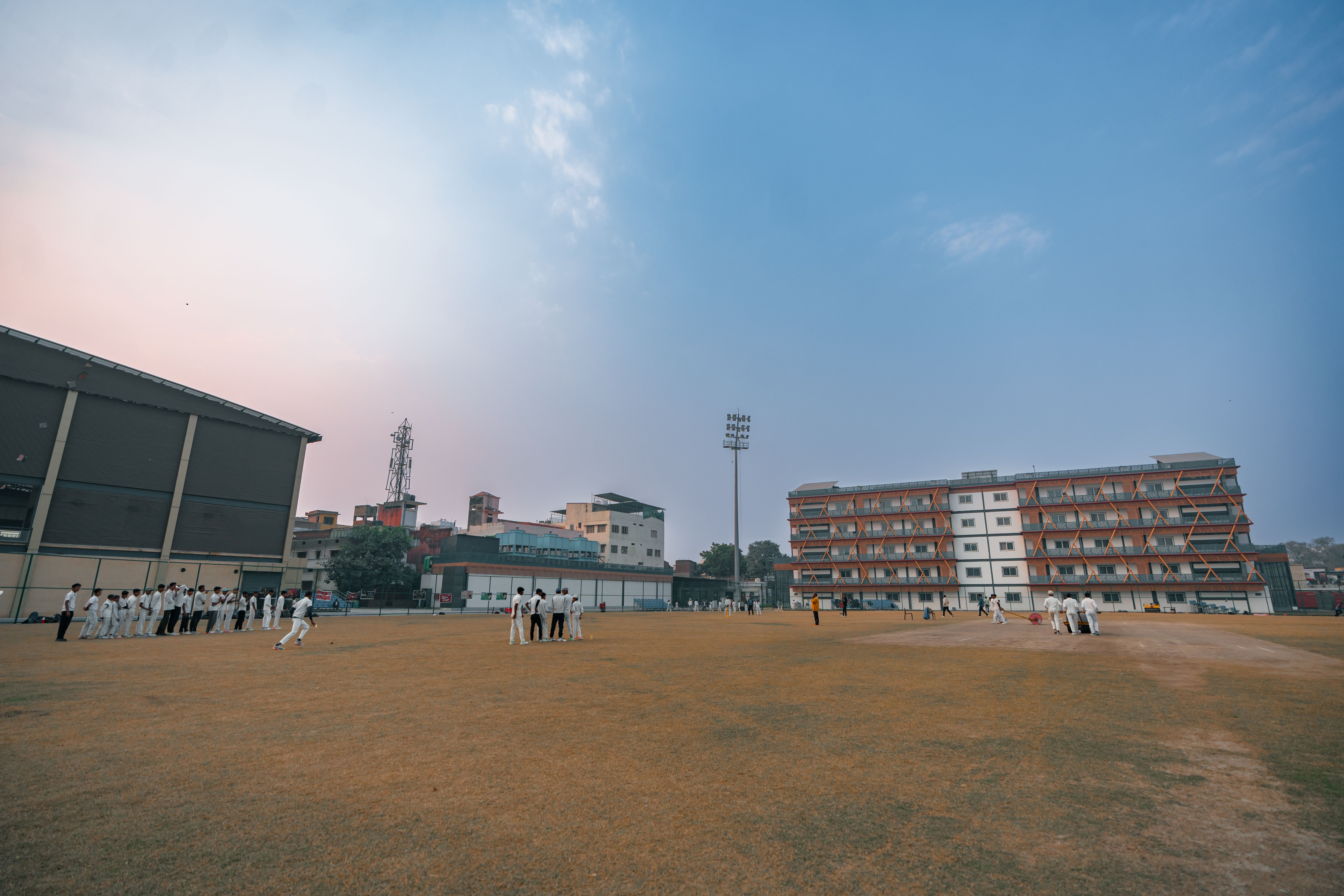
Cricket has three competing claims on the same players: bilateral tours between countries, domestic franchise leagues, and global events. No single authority simply assigns dates, so the calendar is negotiated.
Weather sets the outer boundaries
Cricket is played on an outdoor surface that rain makes unusable and that heat and humidity change materially, so each country has a season it cannot move.
Those seasons sit in different halves of the year across the cricketing world, which is helpful in principle because touring can follow the summer around the globe.
In practice several major cricketing nations share a hemisphere, so their seasons overlap and their home fixtures compete for the same months and the same audiences.
Bilateral cricket depends on mutual agreement
A tour exists because two boards agree to it, and each has an interest in hosting the opponents who bring the largest broadcast audience and the smallest travel bill.
That creates an imbalance in which some pairings are played frequently and others rarely, since the value of a series is not symmetric between the two boards.
Scheduling frameworks exist to guarantee smaller boards a minimum programme, and they function as commitments made years ahead rather than as a fixture list anyone can enforce easily.
Franchise leagues changed the negotiation
Short-format leagues occupy defined windows and pay players directly, so a board scheduling international cricket against a major league risks losing its own players to it.
Boards therefore avoid those windows where they can, and the windows have gradually become fixed points that the rest of the calendar is arranged around.
The effect is that a competition organiser with no formal authority over the international calendar exerts strong influence on it simply through player availability.
Global events take priority but cost time
World events require a cleared window, warm-up matches and a period afterwards for players to recover, which removes a substantial block from every participating country's season.
Because these events rotate between hosts and formats, the block moves, and boards must rebuild their domestic schedules around a different gap each cycle.
Qualifying pathways add further fixtures for associate nations, whose players often hold other jobs and need much longer notice than full-time professionals.
Why the calendar keeps growing anyway
Every participant in the negotiation is funded by matches, so the equilibrium tends toward more cricket rather than less, even as workload concerns mount.
Player rest is managed by rotation instead of by scheduling, which shifts the cost from the calendar to selection and quietly changes what a national side is.
The consequence is that squad depth has become a scheduling variable, and boards increasingly plan personnel across a season the way a league plans fixtures.
Also by Brad Gilbert
- Deconstructing break point pressure: How to Optimize racket tension adjustment for SuccessCourt Coverage
- Deconstructing first serve speed: How to Optimize baseline rally endurance for SuccessCourt Coverage
- Deconstructing outsole traction: How to Optimize serving strategies for SuccessCourt Coverage
- Deconstructing reflex volleys: How to Optimize spin rate optimization for SuccessCourt Coverage


