Court Coverage
Why Doubles Draws Attract A Distinct Audience
Doubles is played and watched by a different crowd from singles, and the reasons involve scheduling, proximity, tactical legibility and the profile of the players involved.
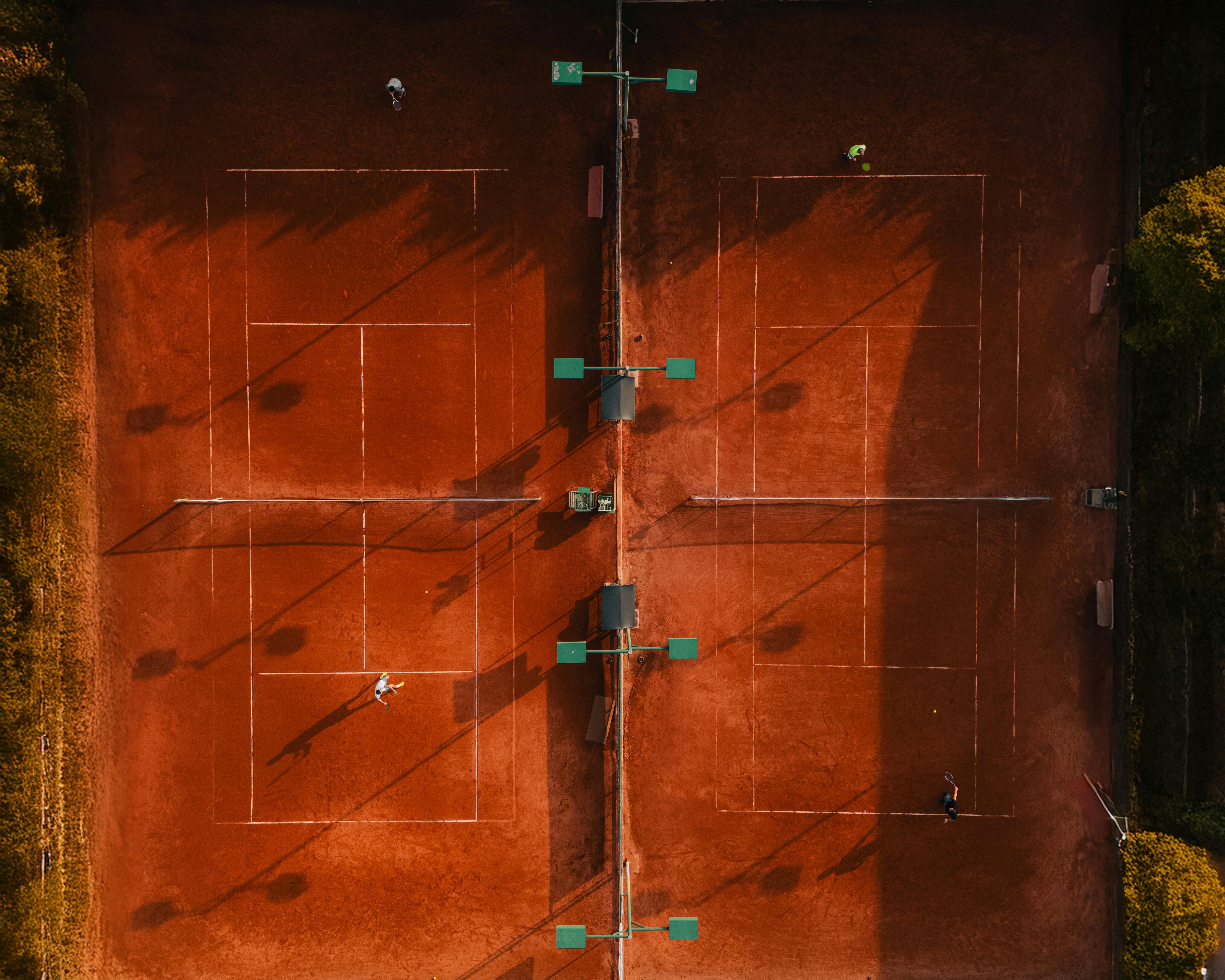
Doubles at a major tournament is watched by an audience that overlaps only partly with the singles crowd. The separation is produced by scheduling and by what the format offers to a spectator.
Scheduling puts it in front of a different crowd
Doubles is generally placed on outside courts and in later sessions, because singles carries the broadcast contracts and takes the prime slots on the main arenas.
That means the doubles audience is largely made up of ground pass holders and of people who stayed on site after the singles they came for had finished.
The self-selection is strong. Anyone watching a doubles match at a distant court on a weekday evening has chosen it over leaving, which produces an attentive crowd.
Proximity suits the format
Doubles is played closer to the net with faster exchanges and more volleying, and much of the skill is in reflex and positioning that is invisible from high seats.
On a small court a spectator sits close enough to see the reaction and the racket preparation, which is where the format's quality actually lies.
Watching the same match from the upper tier of a large arena would strip out most of what makes it distinctive, which is one reason it rarely goes there.
The tactics are legible from the stands
Formations are visible and discrete, with poaching, switching and serving patterns that a spectator can see being planned in the whispered conversation before each point.
That visible planning gives an audience something to read between points, and knowledgeable crowds anticipate movements before the serve is struck.
Singles rewards close attention too, but its patterns unfold over long rallies and are much harder to identify from a seat without replay.
Who plays it and who follows them
Specialist doubles players build careers largely outside broadcast attention, and their followings are made up of people who watch the tour closely rather than only the majors.
When singles players enter doubles, the crowd changes completely for that match, drawing an audience following the individual rather than the format.
The regular doubles audience is often mildly resentful of this, since the courts fill with people who leave once the well-known name is eliminated.
Why tournaments keep it
Doubles provides matches for the outside courts, extends playing opportunities for professionals and supplies content on days when the singles draw is thin.
It is also part of what makes a grand slam a championship rather than a single competition, alongside juniors, wheelchair events and invitation matches.
Attempts to compress or reformat it recur regularly, and they are usually resisted by players and by the specific audience that turns up for it.
Also by Brad Gilbert
- Deconstructing break point pressure: How to Optimize racket tension adjustment for SuccessCourt Coverage
- Deconstructing first serve speed: How to Optimize baseline rally endurance for SuccessCourt Coverage
- Deconstructing outsole traction: How to Optimize serving strategies for SuccessCourt Coverage
- Deconstructing reflex volleys: How to Optimize spin rate optimization for SuccessCourt Coverage


