Live Scores
Why Fans Abroad Follow Matches At Impossible Hours
Overseas supporters build routines around kick-off times set for a domestic audience, and the resulting habits shape viewing figures, merchandise and club scheduling.
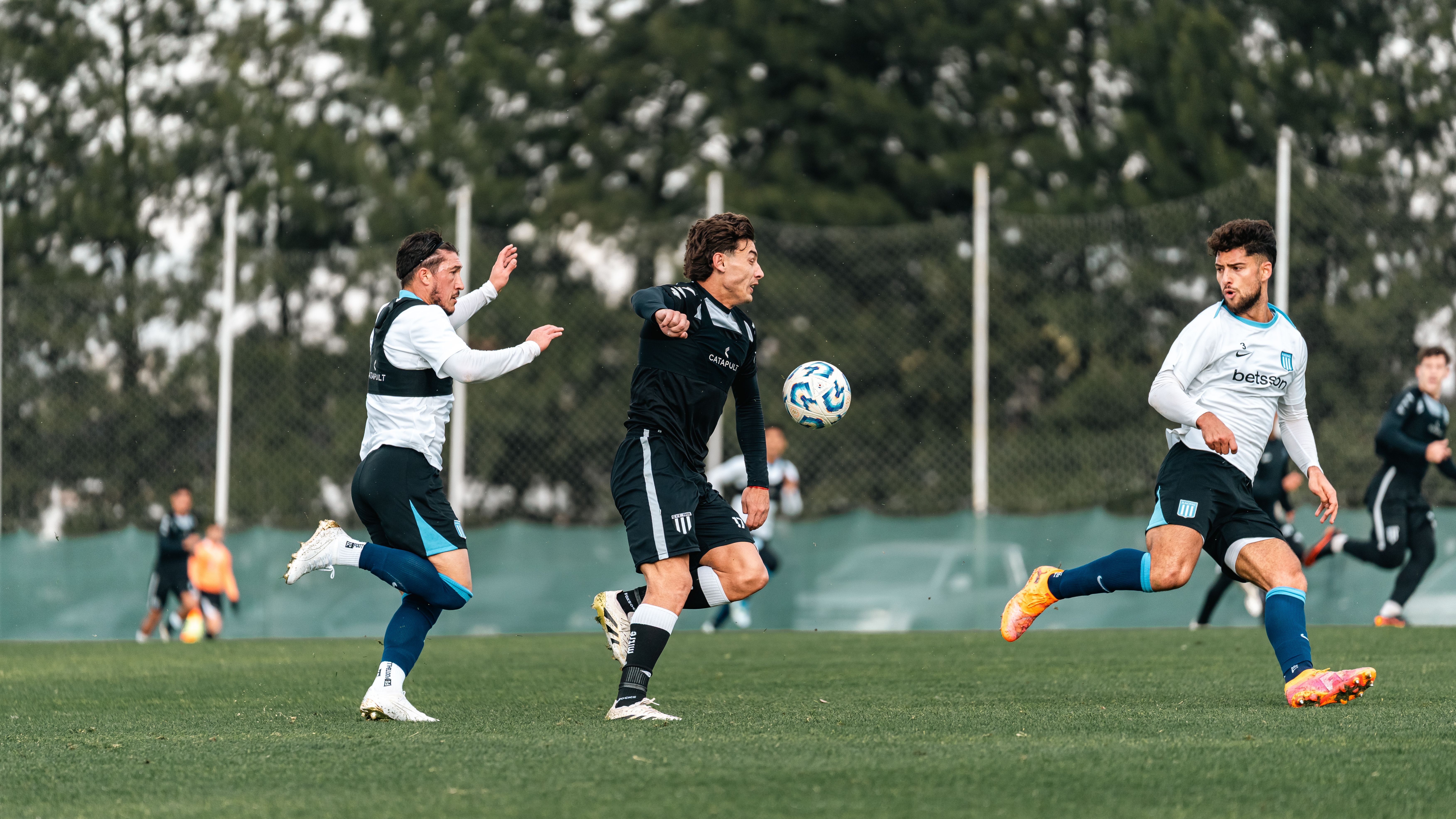
Kick-off times are set for the market that pays the most for broadcast rights, which is usually the domestic one. Supporters elsewhere adapt, and their adaptations are more structured than they look.
The scheduling asymmetry
A competition sells its largest rights package at home and prices overseas packages as additional revenue, so domestic viewing hours dominate the fixture calendar.
Where a competition earns a substantial share abroad, kick-offs drift toward times that suit both, producing early starts at home and evening slots in distant markets.
Sports whose international audience outweighs the domestic one go further, and some now schedule specifically for the overseas market despite awkward local timing.
How overseas routines form
Supporters in badly aligned time zones settle into a small number of viable patterns: staying up late, waking before dawn, or watching a recording with notifications disabled.
Each pattern produces different collective behaviour. Late-night viewing supports bars and organised gatherings, while pre-dawn viewing is almost always solitary and domestic.
The choice is usually fixed by the fixture slot rather than by preference, so a club's overseas fanbase can be split into groups that never share the same experience.
Supporter clubs abroad do the organising
Official overseas supporter branches exist largely to solve the venue problem, negotiating with a bar to open early or to show a particular match on the main screen.
They also solve a smaller but real problem of legitimacy, giving members a recognised affiliation and sometimes access to ticket ballots for matches at the home ground.
Clubs support these branches because they convert scattered individuals into countable members, which is useful evidence in commercial negotiations abroad.
What this does to the audience mix
Watching at an inconvenient hour selects for commitment, so overseas audiences skew toward highly engaged supporters rather than casual viewers.
That is visible in merchandise, where overseas sales concentrate on identity items rather than the impulse purchases that dominate near a stadium.
It also means overseas engagement is measured badly by raw viewing figures, which count a devoted early-morning viewer identically to a passive one at a convenient hour.
Preseason tours as the settlement
Clubs travel in the off season partly to give overseas supporters a rare chance to attend in person, and those matches are priced as events rather than as friendlies.
The trips are demanding for players and produce little competitive value, which is why they are concentrated into the short window before a season begins.
For a supporter who has watched for years at four in the morning, that fixture may be the only one they ever attend, which is what sustains the practice.
Also by Brad Gilbert
- Deconstructing break point pressure: How to Optimize racket tension adjustment for SuccessCourt Coverage
- Deconstructing first serve speed: How to Optimize baseline rally endurance for SuccessCourt Coverage
- Deconstructing outsole traction: How to Optimize serving strategies for SuccessCourt Coverage
- Deconstructing reflex volleys: How to Optimize spin rate optimization for SuccessCourt Coverage


