FIFA
Why Football Calendars Are So Hard To Align
Domestic leagues, continental competitions and national teams all claim the same weekends, and the international match calendar is the treaty that divides them.
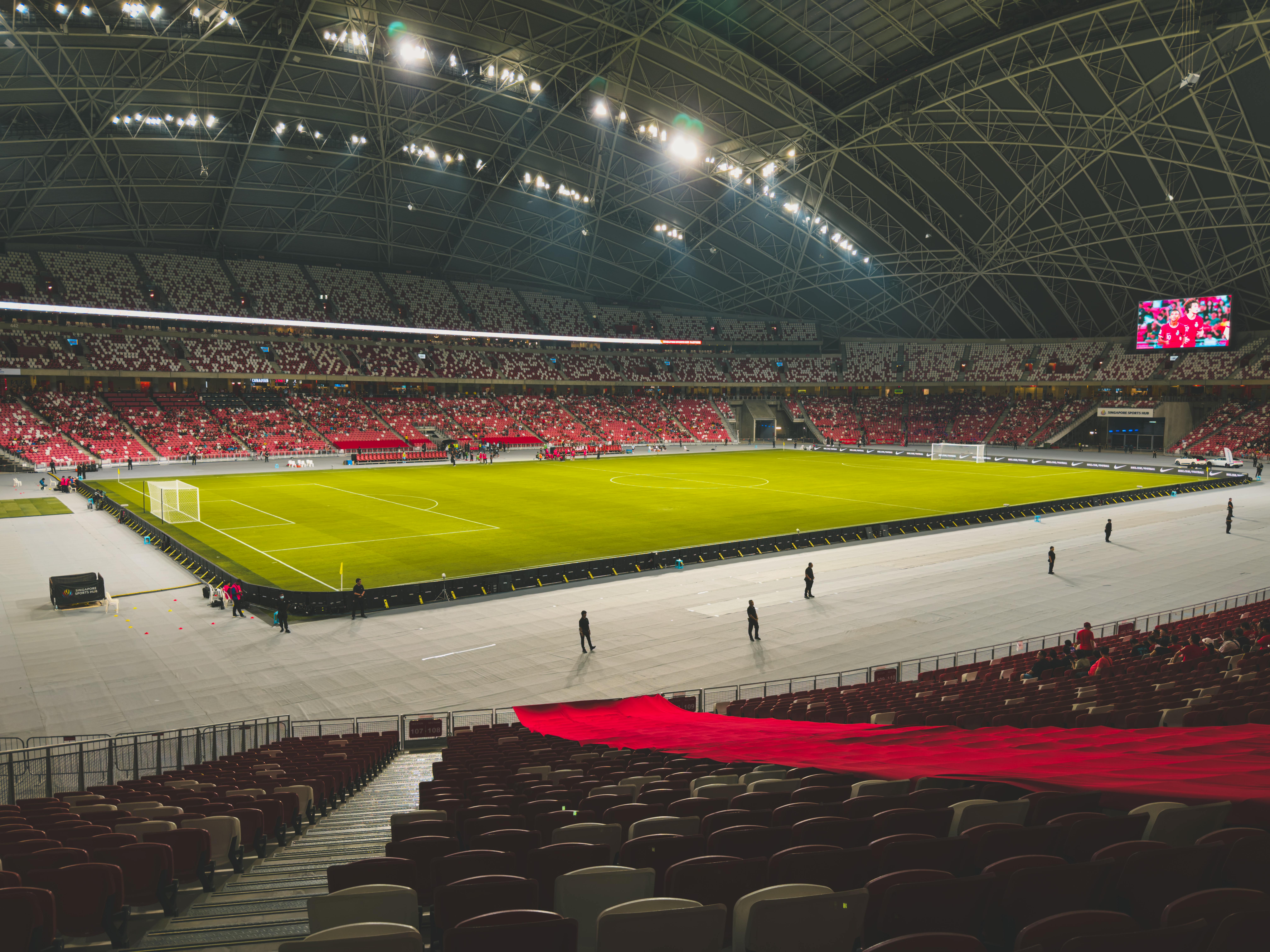
Football is played by the same athletes for club and country, and both employers want the best dates. The international match calendar is the negotiated document that decides who gets which weeks.
Two employers, one player
A professional footballer is contracted to a club that pays the wages, but is also selectable by a national association that pays nothing for that availability. Both need the player fit.
Without a common calendar, clubs would simply refuse to release players, and international football would depend on goodwill. The agreed windows convert a conflict of interest into a scheduling rule.
Release obligations are therefore tied to specific dates rather than to specific matches, so a club knows a year ahead which weeks it will be short of its internationals.
Why the windows sit where they do
International windows cluster in periods when most major domestic leagues can pause without pushing their seasons past the point where pitches, broadcasters and cup rounds all collide.
That is harder than it sounds because seasons run on opposite halves of the year in different hemispheres. A window convenient for European leagues can fall mid-season somewhere else.
The compromise is a small number of fixed windows repeated annually, which is less efficient for any single competition but predictable enough for all of them to plan around.
Travel is the hidden constraint
A window is not simply match days. A player called up from one continent to another loses days to flights and time-zone adjustment at both ends of the trip.
This is why windows have gradually been consolidated, with fewer and longer breaks replacing frequent short ones. Two matches in one trip cost far less recovery than the same matches split.
Confederations with long internal distances feel this most acutely, and their qualifying formats often bundle fixtures into blocks that would look unnecessarily compressed in a smaller region.
Continental competition takes the midweeks
Between international windows, midweek dates are claimed by continental club competitions, which need their own uninterrupted sequence of rounds spread across a season.
Domestic cups then compete for whatever midweeks remain, which is why cup rounds are the first thing to be replayed, reduced or moved when the calendar tightens.
The result is that the weekend belongs to the league, the midweek to continental football, and a handful of full weeks to national teams, with very little slack anywhere.
Why expansion pressure never stops
Every competition organiser has a reason to want more matches, because more matches means more broadcast inventory and more revenue distributed to members who vote on the format.
The calendar is finite, so each expansion has to take days from somewhere, and the party losing days is rarely the one making the decision.
Player unions and league associations have become active participants in these negotiations for that reason, arguing on workload grounds where they have no vote on competition format.
Also by Brad Gilbert
- Deconstructing break point pressure: How to Optimize racket tension adjustment for SuccessCourt Coverage
- Deconstructing first serve speed: How to Optimize baseline rally endurance for SuccessCourt Coverage
- Deconstructing outsole traction: How to Optimize serving strategies for SuccessCourt Coverage
- Deconstructing reflex volleys: How to Optimize spin rate optimization for SuccessCourt Coverage


