Wimbledon
Why Outside Courts Build Their Own Followings
Small courts at major championships develop loyal audiences drawn by proximity, doubles and qualifying matches, and their crowds behave unlike show court crowds.
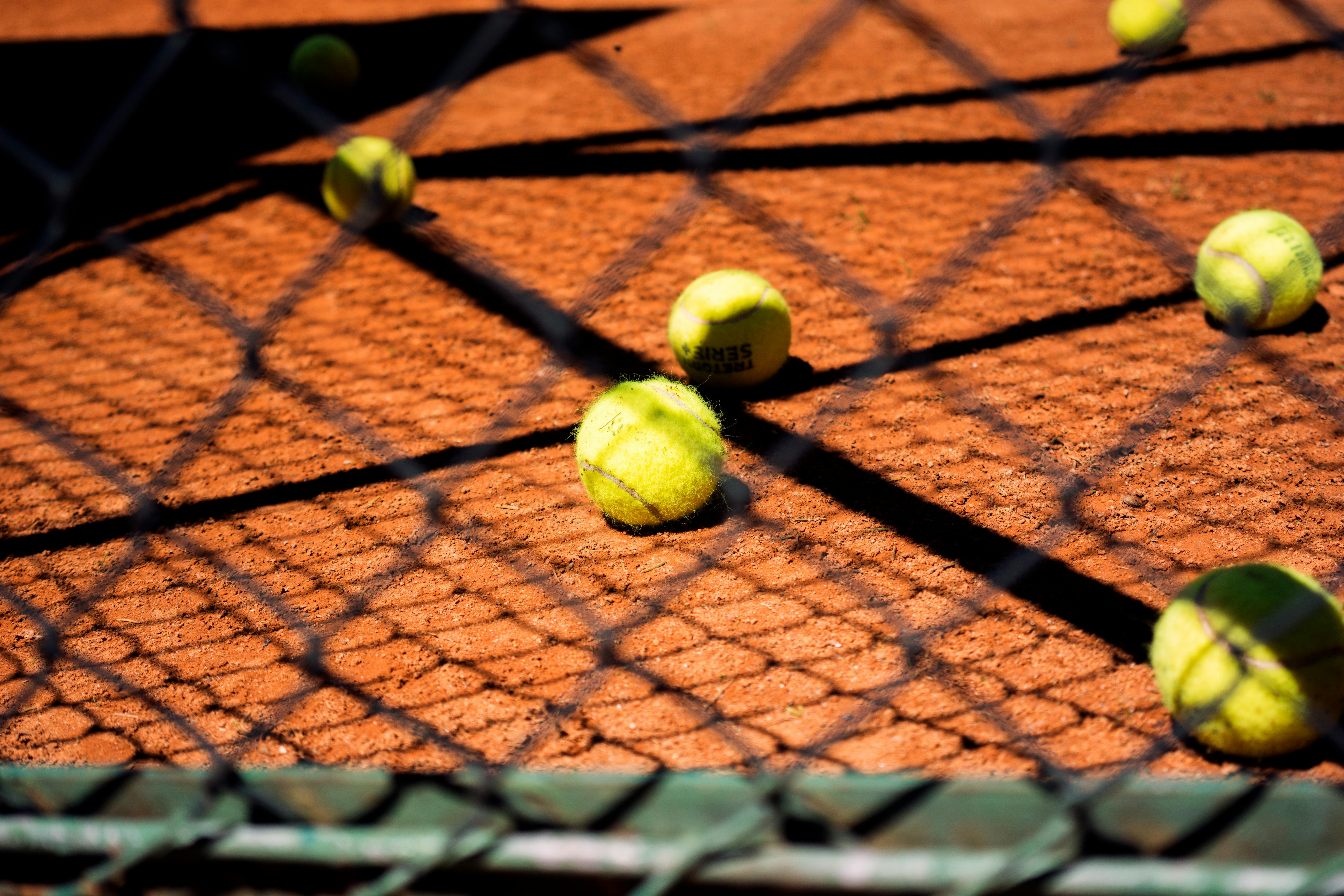
Every major tennis championship has courts that hold a few hundred people and attract spectators who deliberately avoid the main stadium. What draws them is a set of things the show courts cannot offer.
Proximity changes what is visible
From a few metres away a spectator can hear the ball struck, see the racket face at contact and watch a player's footwork between shots rather than only the ball's path.
Coaching cues, breathing and the conversation between doubles partners all become audible, which turns the match into something closer to observing a craft than watching a contest.
This is why coaches, junior players and long-standing spectators cluster on small courts even when a marquee match is running in the main stadium at the same time.
The matches that end up there
Qualifying rounds, early doubles, junior events and veterans matches are scheduled onto outside courts because they draw smaller audiences, not because the tennis is less demanding.
Qualifying in particular is played by professionals fighting for the largest paydays of their year, which produces intensity that the ranking gap does not predict.
Regular attenders learn to read the order of play for these matches and plan their day around them, effectively curating a parallel tournament.
How a crowd forms and holds
An outside court crowd assembles from passing traffic, then stabilises once a match becomes competitive, and the people who stay have all made an active decision to do so.
Because entry and exit happen between games, the crowd's size is a live signal of how the match is going, visible to the players on court.
Standing spectators at the fences often outnumber those seated, and the resulting density makes a few hundred people sound considerably larger than they are.
Why players value or dread them
A lower-ranked player gets a crowd close enough to lift them, and an upset on a small court generates noise disproportionate to the audience size.
A seeded player, by contrast, faces an audience that is closer, louder and frequently hoping for a surprise, in conditions with less shelter from wind and shifting light.
Court allocation therefore carries competitive consequences, and complaints about being scheduled away from the main stadium are rarely only about prestige.
What the championship gains from them
Outside courts absorb the ground pass audience, generating atmosphere across the site and spreading spectators away from the congested areas near the main stadium.
They also give the tournament somewhere to put matches that would otherwise be cut, which is what allows a championship to run juniors, doubles and invitation events at all.
Their existence is the reason a grand slam is a festival across a fortnight rather than a sequence of televised matches in one building.
Also by Brad Gilbert
- Deconstructing break point pressure: How to Optimize racket tension adjustment for SuccessCourt Coverage
- Deconstructing first serve speed: How to Optimize baseline rally endurance for SuccessCourt Coverage
- Deconstructing outsole traction: How to Optimize serving strategies for SuccessCourt Coverage
- Deconstructing reflex volleys: How to Optimize spin rate optimization for SuccessCourt Coverage


