Gridiron News
Why Season Tickets Pass Between Generations
Waiting lists at popular stadiums run for decades, so season tickets are inherited within families, and the transfer rules become a significant piece of club policy.
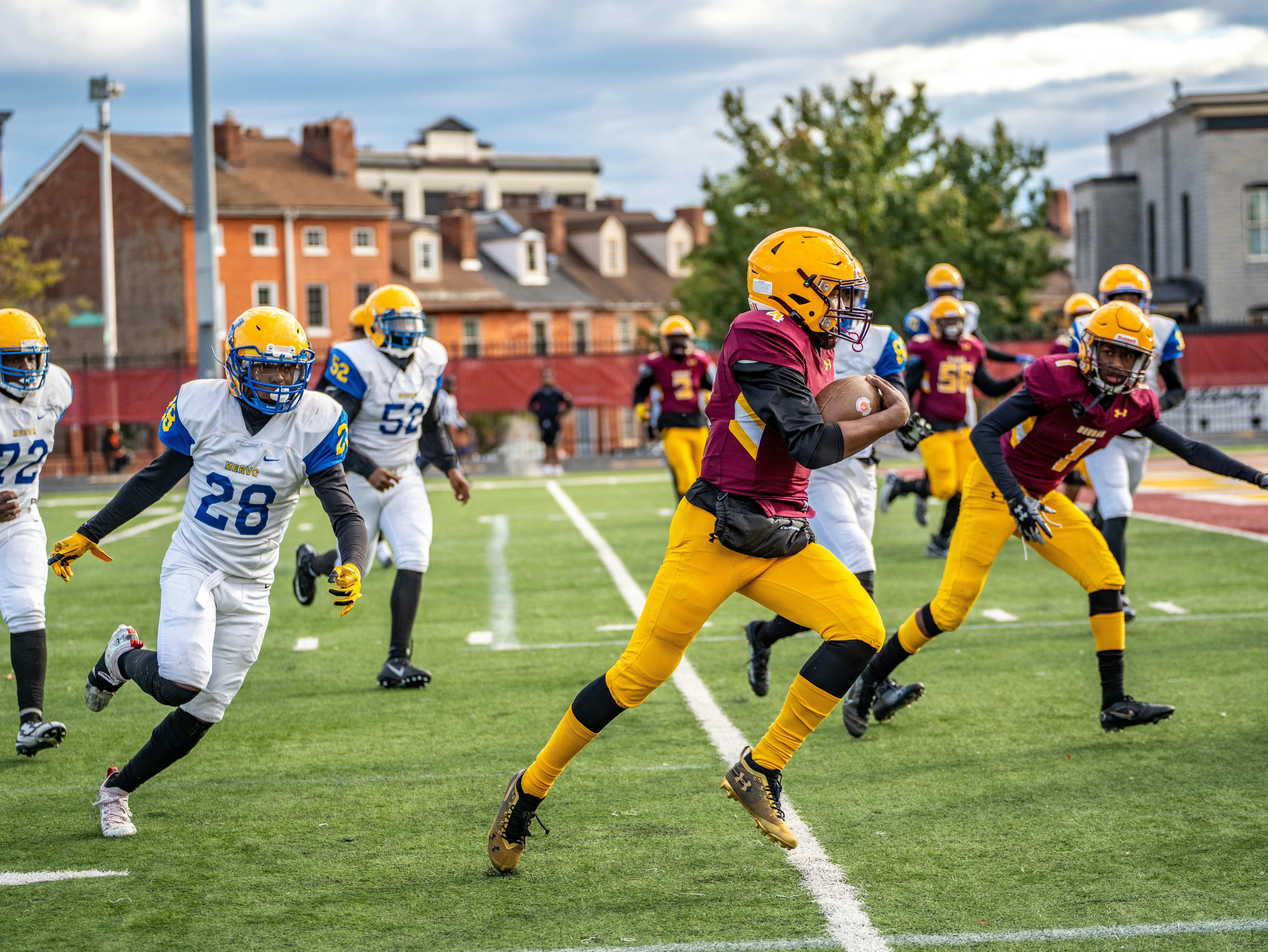
At stadiums where demand far exceeds capacity, season tickets stop behaving like an annual purchase and become an asset held for decades. What follows is a set of problems clubs must write rules about.
Waiting lists create the scarcity
When renewal rates are very high, almost no seats return to general sale each year, and a list of applicants accumulates faster than it can be served.
A list running for many years effectively means a new applicant will not be seated within a normal span of adult attendance, which changes what holding a ticket means.
Holders consequently retain seats through years when they attend rarely, because giving one up is irreversible, and that behaviour makes the shortage worse.
Inheritance becomes the main route in
Where transfer within a family is permitted, tickets pass down, and the practical way to obtain a seat is to be related to somebody who already has one.
Clubs generally allow this because refusing would break relationships with long-standing supporters and produce a large number of contested cases at a difficult moment.
The consequence is a season ticket base that renews itself demographically rather than by demand, and that becomes less representative of the wider fanbase over time.
Transfer rules do real work
Policies typically define who counts as family, whether seats may be split, and whether a transfer resets any accumulated seniority attached to the account.
These details determine whether an inherited account can be divided among siblings or must pass intact, which has obvious consequences for how many people gain access.
Clubs also restrict onward sale, since an inheritable and tradeable seat would become a financial instrument rather than a relationship with a supporter.
Attendance policies push against hoarding
Many clubs now require a minimum level of use, or oblige holders to list unused seats on an official exchange, in order to keep seats occupied.
This raises attendance and gives non-holders occasional access, effectively creating a rental market underneath the ownership layer.
Enforcement is delicate, because the same policy that prevents hoarding also penalises long-standing supporters whose circumstances have changed.
What relocation and rebuilding disrupt
A new stadium forces every seat to be reallocated, which is the one moment when accumulated seniority is converted into a priority order and then reset.
Clubs manage this with licence schemes and tiered priority based on tenure, and the process is closely scrutinised because decades of position are at stake.
It is also the point at which pricing changes most sharply, and where long-held seats are most often lost by supporters who cannot meet the new terms.
Also by Brad Gilbert
- Deconstructing break point pressure: How to Optimize racket tension adjustment for SuccessCourt Coverage
- Deconstructing first serve speed: How to Optimize baseline rally endurance for SuccessCourt Coverage
- Deconstructing outsole traction: How to Optimize serving strategies for SuccessCourt Coverage
- Deconstructing reflex volleys: How to Optimize spin rate optimization for SuccessCourt Coverage


