Gridiron News
Why Tailgating Became A Structured Ritual
Parking lot gatherings before American football games evolved into an organised institution with fixed locations, inherited equipment and rules enforced by the participants themselves.
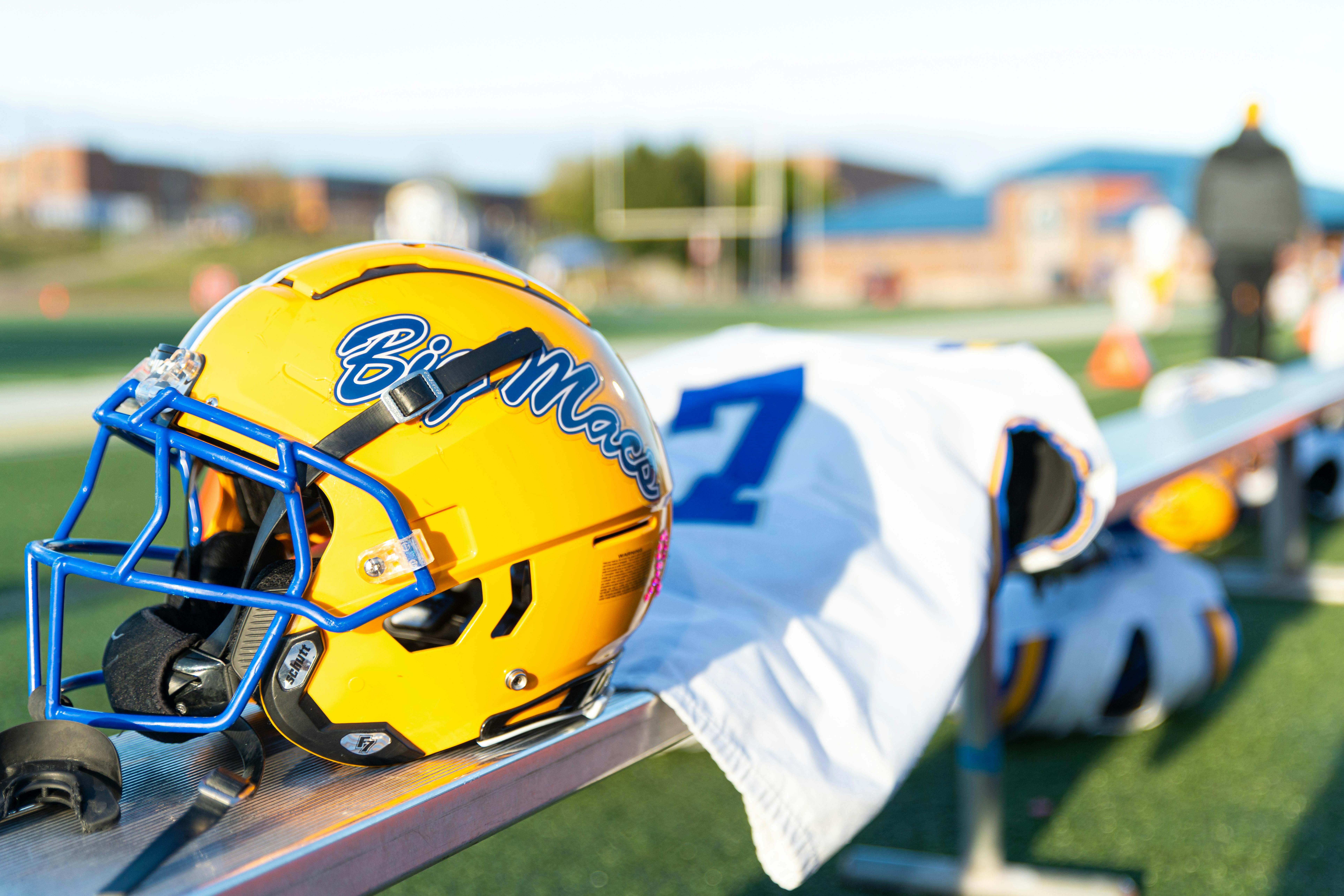
The gathering in a stadium car park hours before kick-off looks improvised, but it is one of the most rigidly structured customs in spectator sport. Its shape follows directly from the schedule and the site.
The fixture calendar created the occasion
A team playing a small number of home games across a season turns each one into an event worth building a day around rather than a routine weekly outing.
Long gaps between home fixtures mean supporters travel further, arrive earlier and stay longer, and the hours before kick-off have to be spent somewhere.
Stadiums built with large surrounding car parks, often outside city centres, supplied the only available space, and the custom formed around that physical fact.
Locations are inherited rather than chosen
Regular groups occupy the same spaces year after year, and the arrangement is maintained by arriving early and by an informal recognition among neighbours.
Because the same people park beside each other for decades, the car park develops a social geography that newcomers have to learn rather than being told.
Season parking passes formalise part of this, and their transfer within families is one of the mechanisms by which a group's position outlives its founders.
Equipment accumulates into infrastructure
What begins with a cooler tends to grow into generators, cooking equipment, seating and shelter, all of which must be transported and stored between fixtures.
Groups pool this rather than duplicating it, which creates shared property and therefore an implicit organisation with responsibilities for setup and clearing.
Food is usually the organising task, with an established rotation and dishes associated with particular members, which is what turns the group into a recurring obligation.
Rules exist and are enforced socially
Stadium operators impose limits on open flame, alcohol, amplified sound and the hour at which lots open, and these are policed by staff at the margins.
Most enforcement, however, is done by the participants, who have a strong collective interest in avoiding the incident that would tighten the rules for everyone.
Long-standing groups are the strictest, because they have the most to lose if the practice is curtailed at their stadium.
Why the custom resists relocation
Newer stadiums built in dense urban areas often lack the surface parking the practice depends on, and structured garages cannot host it.
Clubs have responded with designated plazas and organised pre-game areas, which reproduce the commerce but not the self-organisation that defined the original.
Supporters generally treat these as a substitute rather than an equivalent, and the distinction is precisely that one is arranged for them and the other by them.
Also by Brad Gilbert
- Deconstructing break point pressure: How to Optimize racket tension adjustment for SuccessCourt Coverage
- Deconstructing first serve speed: How to Optimize baseline rally endurance for SuccessCourt Coverage
- Deconstructing outsole traction: How to Optimize serving strategies for SuccessCourt Coverage
- Deconstructing reflex volleys: How to Optimize spin rate optimization for SuccessCourt Coverage


